A simple starting formula
This iced tea is a template rather than a precise science experiment. Use your favorite plain black or green tea, clean drinking water and optional lemon or mint. The goal is a drink with balanced flavor that feels worth making again.
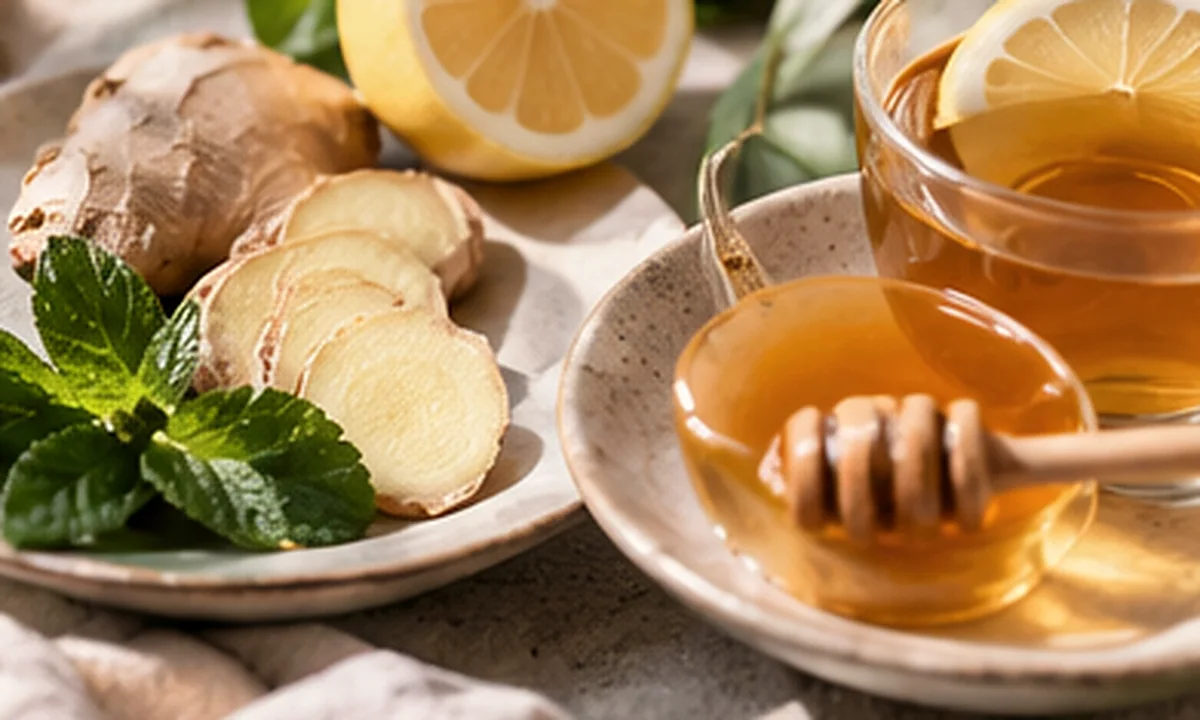
You will need: four cups of water, two to three regular tea bags (or a comparable amount of loose-leaf tea), ice, and optional fresh lemon slices and washed mint leaves. For a stronger tea, use more leaf rather than brewing for an extreme amount of time; prolonged steeping can change the flavor in ways you may not enjoy.
Method
Heat water according to the guidance for the tea you are using. Steep the leaves for the time recommended on the package, then remove them. Let the tea cool briefly and transfer it to a clean covered container. Refrigerate promptly rather than leaving brewed tea on the counter all afternoon.
When you are ready to serve, pour over ice and add a squeeze of lemon or a small mint sprig if you like. Taste it first before deciding that it needs sweetener. If you are transitioning from very sweet bottled tea, you may prefer a more aromatic tea blend, a slice of citrus or a gradual reduction in added sugar.
How to adjust the flavor
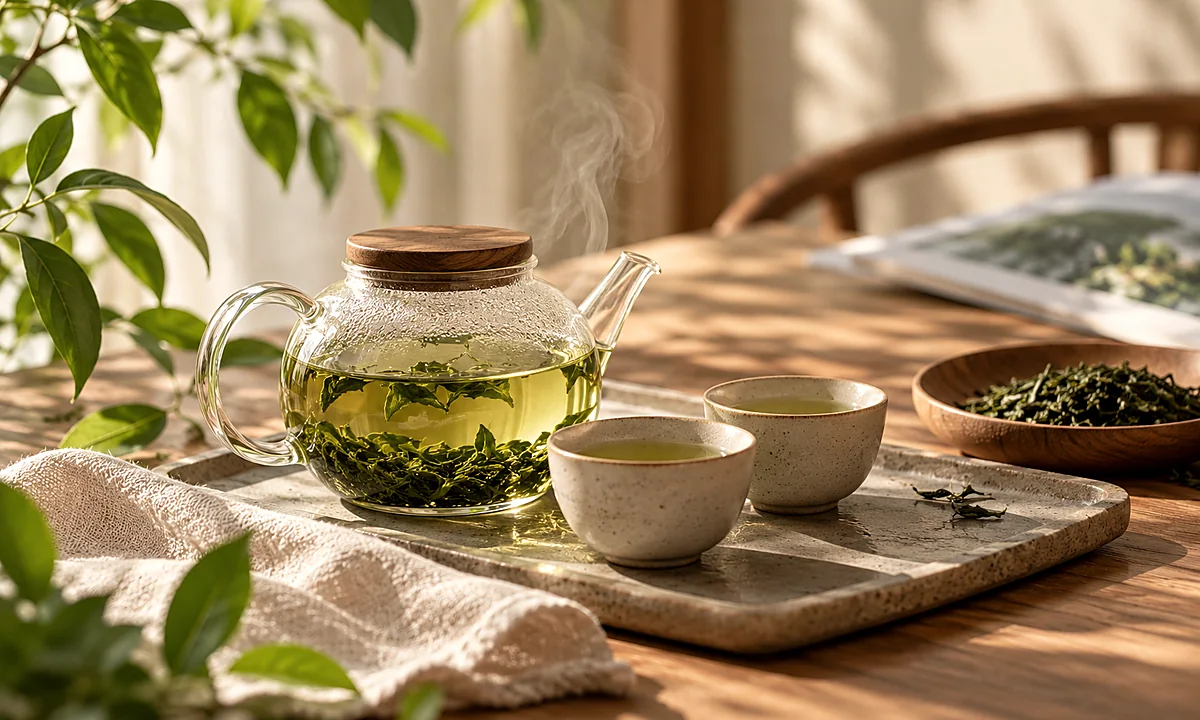
If the cup tastes flat, try a different tea rather than automatically adding sweetener. A robust black tea brings deeper tannic notes; a delicate green tea can be lighter and more vegetal. Citrus adds brightness. Mint adds fragrance without making a medical claim about what the drink can do.
For a caffeine-free variation, use an herbal infusion that contains no caffeinated tea leaves and check the ingredient list. Different botanicals need different infusion instructions, so follow the product’s preparation guidance.
What this recipe is—and is not
An unsweetened homemade tea can be a practical alternative to a sweetened ready-to-drink beverage. That does not mean it detoxifies your body, lowers your disease risk or provides a medically meaningful dose of plant compounds. It is simply a flavorful drink with ingredients you control.
If you are counting caffeine, consider that brewed green and black tea contain different, variable amounts. Our label-reading guide is handy when comparing your homemade version with store-bought options.
Our articles explain research for general readers. They do not diagnose, treat or replace guidance from a qualified healthcare professional.
Sources & further reading
Institutional guidance and original research used to prepare this explainer. Following these links helps you check the evidence for yourself.