Make room for a quiet cup
An evening drink can signal a transition from work to rest, especially when it encourages you to put down a screen and sit still for a few minutes. But the enjoyment of a ritual is not the same as scientific proof that a tea treats insomnia. We prefer to keep those ideas separate.
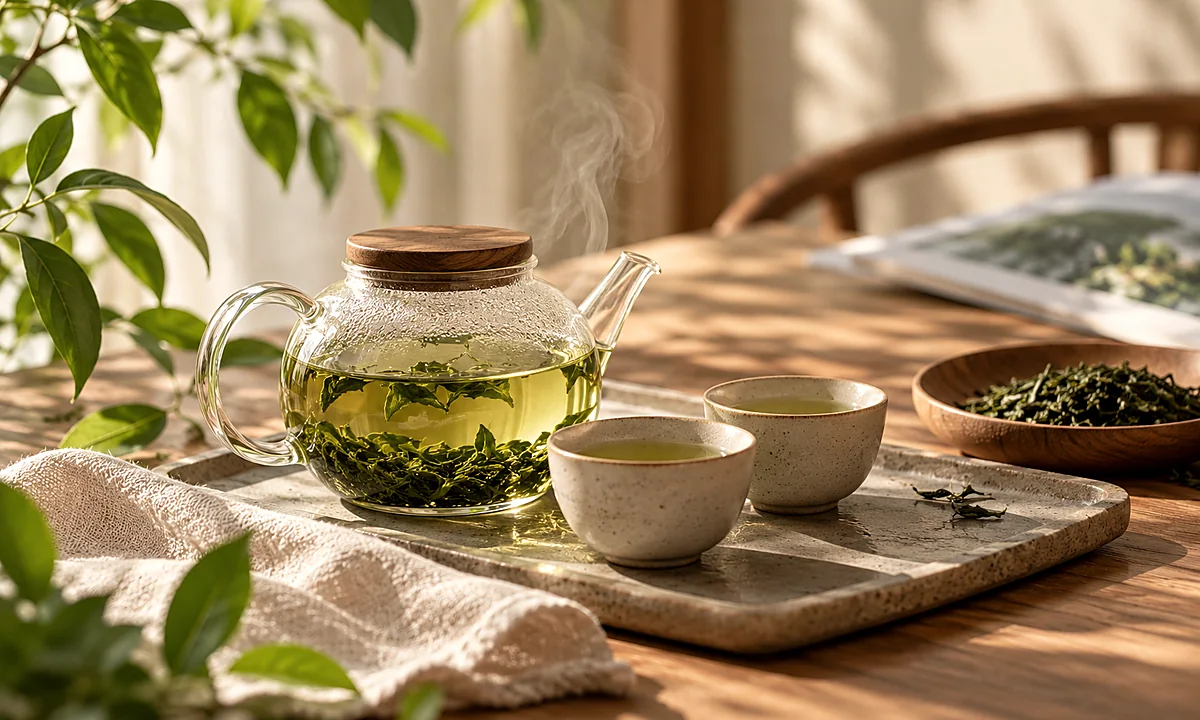
If you are sensitive to caffeine, check ingredients carefully. Ordinary black, green, white and oolong tea contain caffeine; herbal infusions made without Camellia sinensis can provide a different option. Decaf true tea may still have residual caffeine.
1. Peppermint and a twist of lemon
Brew a plain peppermint infusion according to its package directions. Serve it with a small twist of lemon peel. The pairing is fresh and fragrant, and it tastes lively even without sugar. If you have an allergy or a health condition affected by a botanical ingredient, do not assume “herbal” makes the drink suitable for you.
2. Rooibos with orange peel
Rooibos has a rounded, naturally sweet-tasting profile that works well with citrus zest. Choose an unflavored rooibos infusion and add a narrow strip of washed orange peel while it steeps. The orange should be a flavor accent; adding the peel of a fruit you enjoy is enough, without needing to call it a vitamin therapy.
3. Warm ginger with a little cinnamon
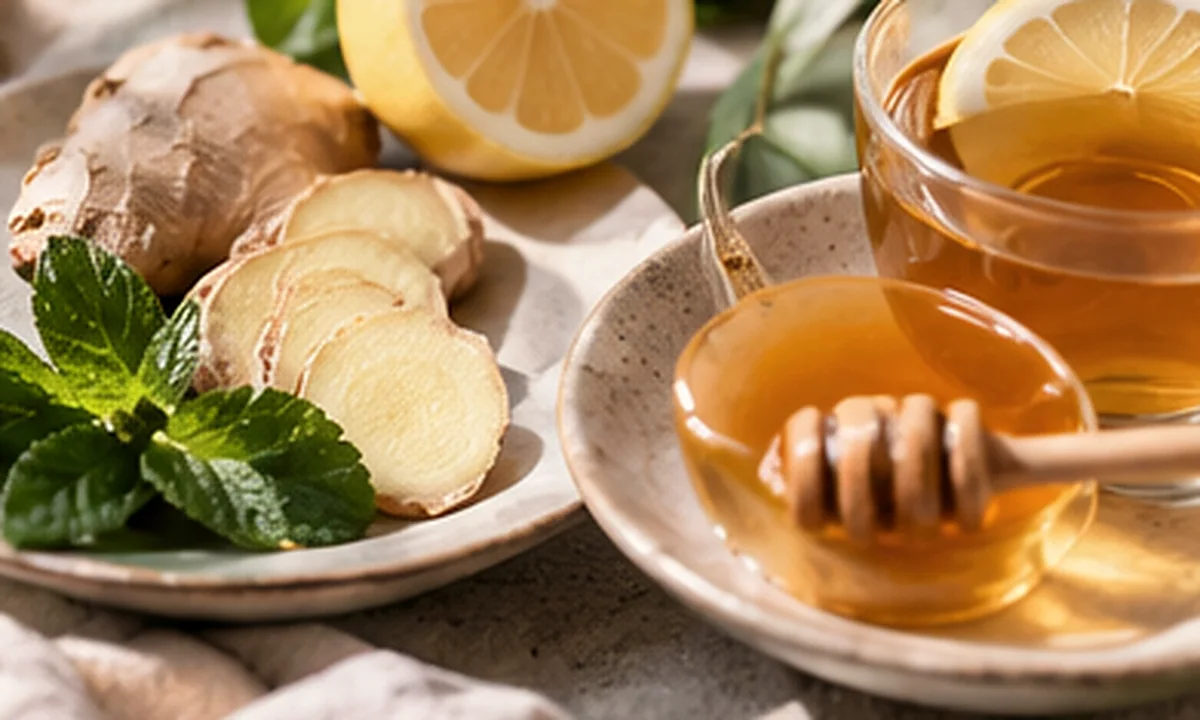
Slice fresh ginger thinly and steep it in hot water with a small piece of culinary cinnamon. Adjust the intensity by changing the amount, rather than assuming that stronger is more beneficial. Herbs and spices can interact with medical conditions and certain medicines in some contexts, especially in concentrated forms.
4. A simple fruit infusion over ice
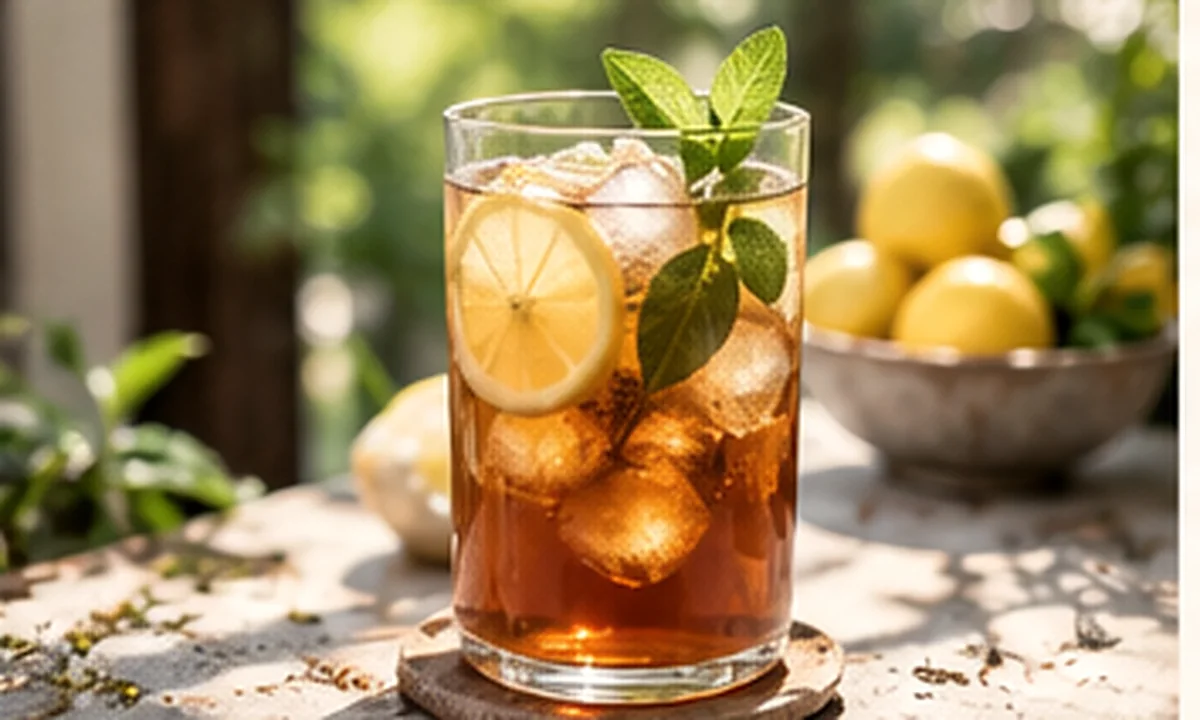
Evenings are not always cold. Try a caffeine-free berry or hibiscus-style fruit infusion, prepared as directed, chilled and poured over ice. Read the label for added sugar and any potential allergens. You can enjoy the color and tartness without making unsupported blood-pressure or sleep claims.
A note on expectations
A pleasing drink can be part of winding down. It should not replace evaluation for chronic sleep difficulties, nor should herbal products be used as substitutes for treatment. The NIH Office of Dietary Supplements points out that botanical safety depends on ingredients, preparation and individual circumstances.
To understand the ingredient distinction, read decaf tea versus herbal tea.
Our articles explain research for general readers. They do not diagnose, treat or replace guidance from a qualified healthcare professional.
Sources & further reading
Institutional guidance and original research used to prepare this explainer. Following these links helps you check the evidence for yourself.