Tea Research
A New Tea and Heart Health Study Is Making Headlines. Here’s What It Really Found
A 2026 study of nearly 486,000 adults linked tea-drinking habits with vascular outcomes. We unpack the findings, limits, and what they do not prove.
Find our original tea research summaries, nutrition explainers, caffeine guides and recipes.
A 2026 study of nearly 486,000 adults linked tea-drinking habits with vascular outcomes. We unpack the findings, limits, and what they do not prove.
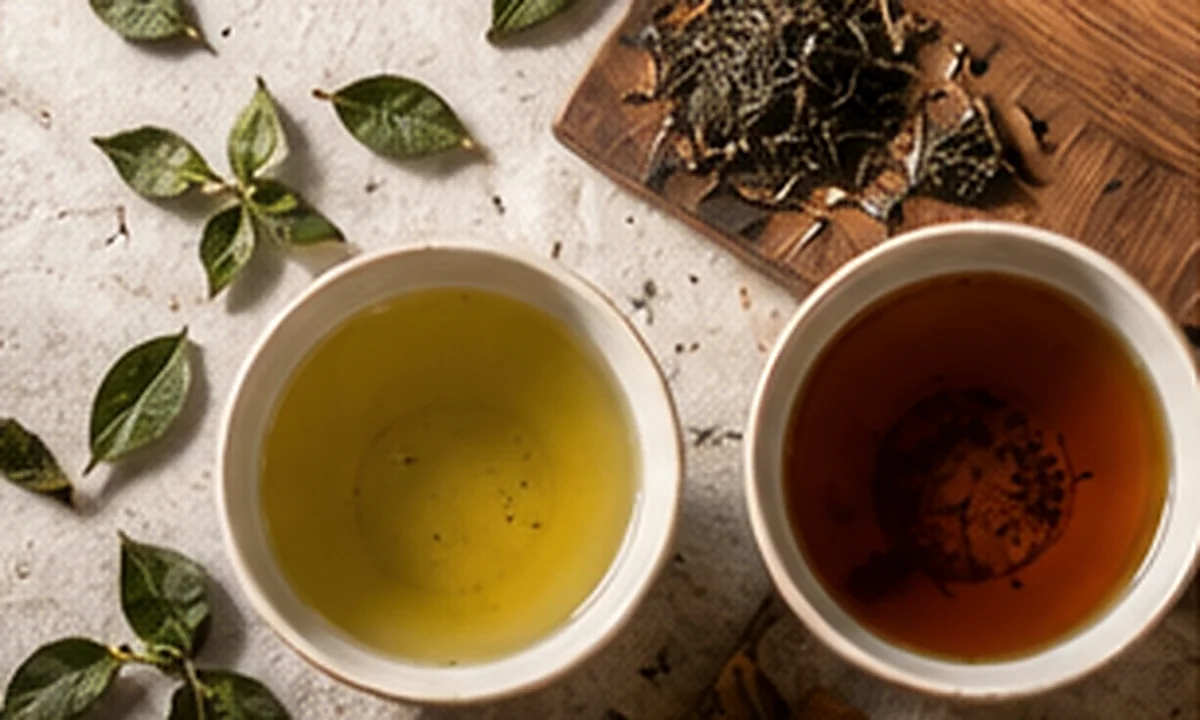
Green and black tea start as the same plant. Learn how processing changes flavor, compounds, and caffeine without the usual health hype.
FDA reference estimates put 12 ounces of green tea around 37 mg and black tea around 71 mg, but your cup may differ. Here is how to use the numbers.

How tea timing, serving size and sensitivity can affect your evening routine, without pretending there is a universal caffeine cutoff.
Understand catechins, oxidation and what tea polyphenol research can—and cannot—tell us about everyday drinking habits.
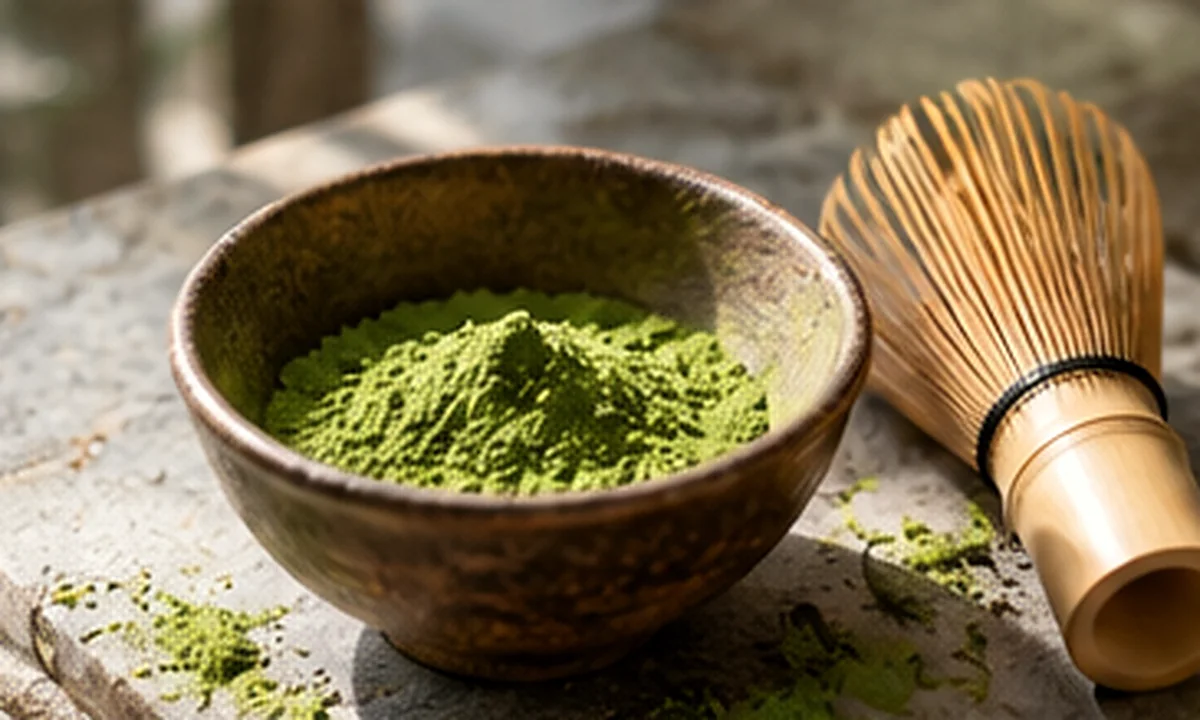
Why a familiar beverage and a concentrated supplement deserve very different questions about amounts, claims and safety.
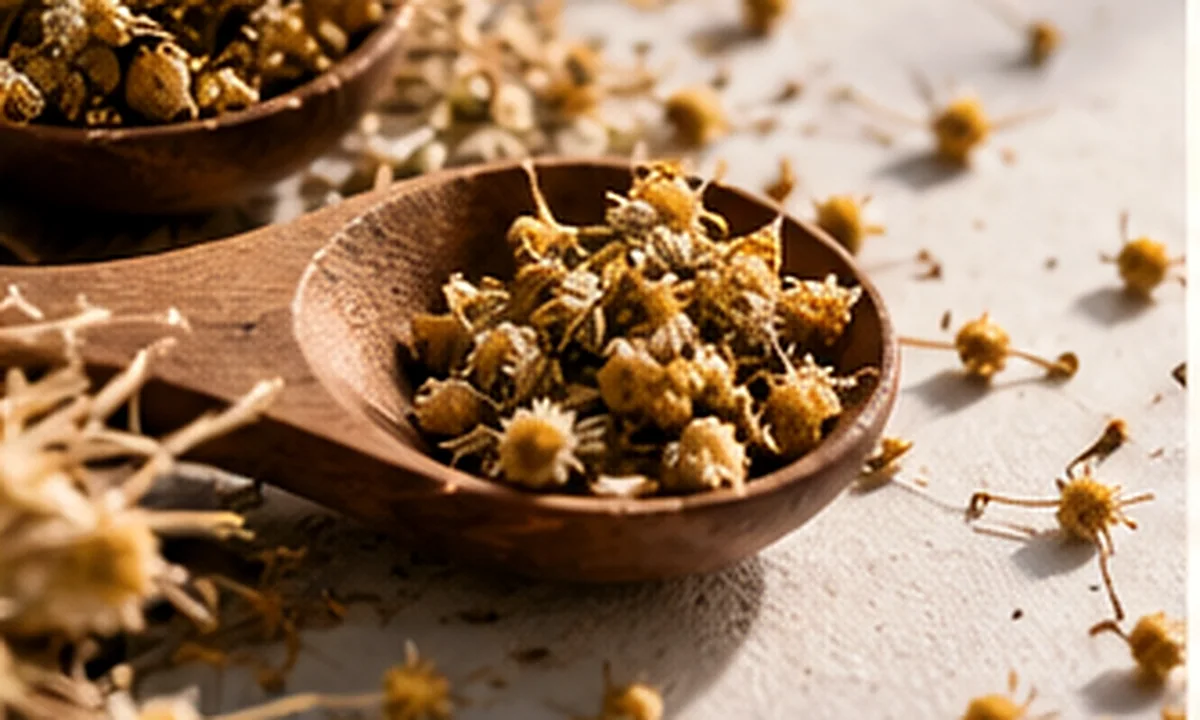
Decaffeinated true tea and herbal infusions are not the same. Learn what to look for on labels when you want an evening cup.
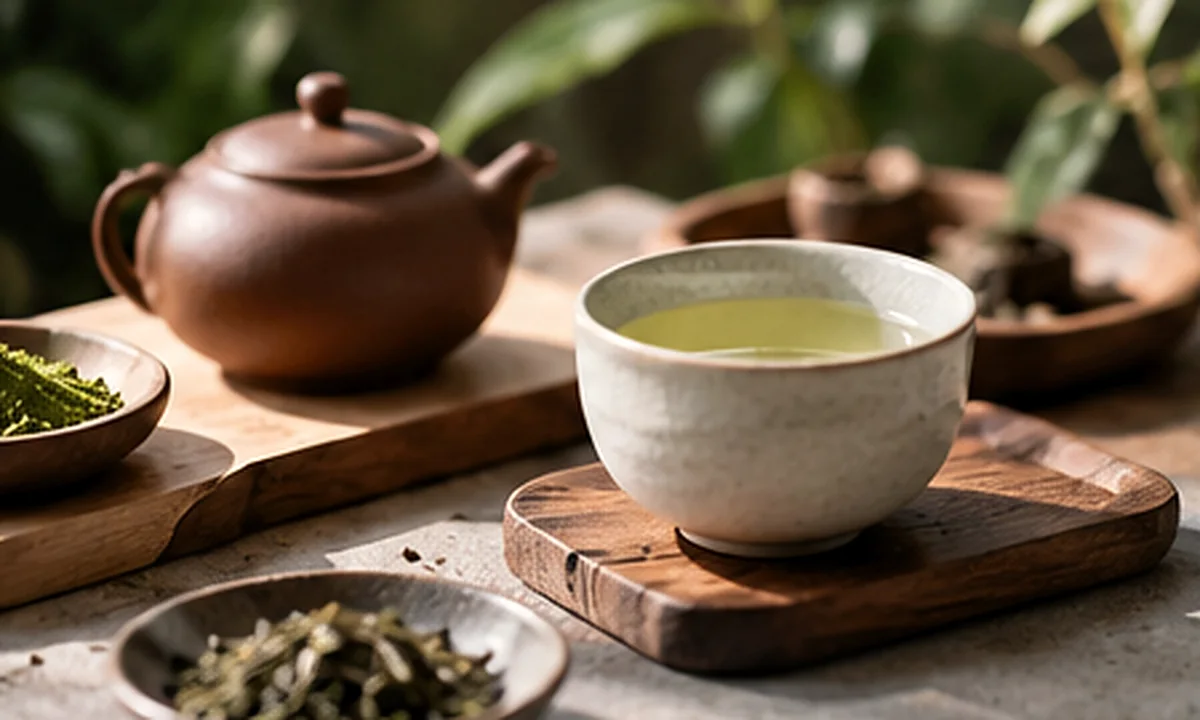
Added sugar, serving size, caffeine and ingredient lists: a practical walkthrough for choosing ready-to-drink tea.

A flexible, no-added-sugar iced tea formula with lemon, mint and a few practical notes about strength and storage.
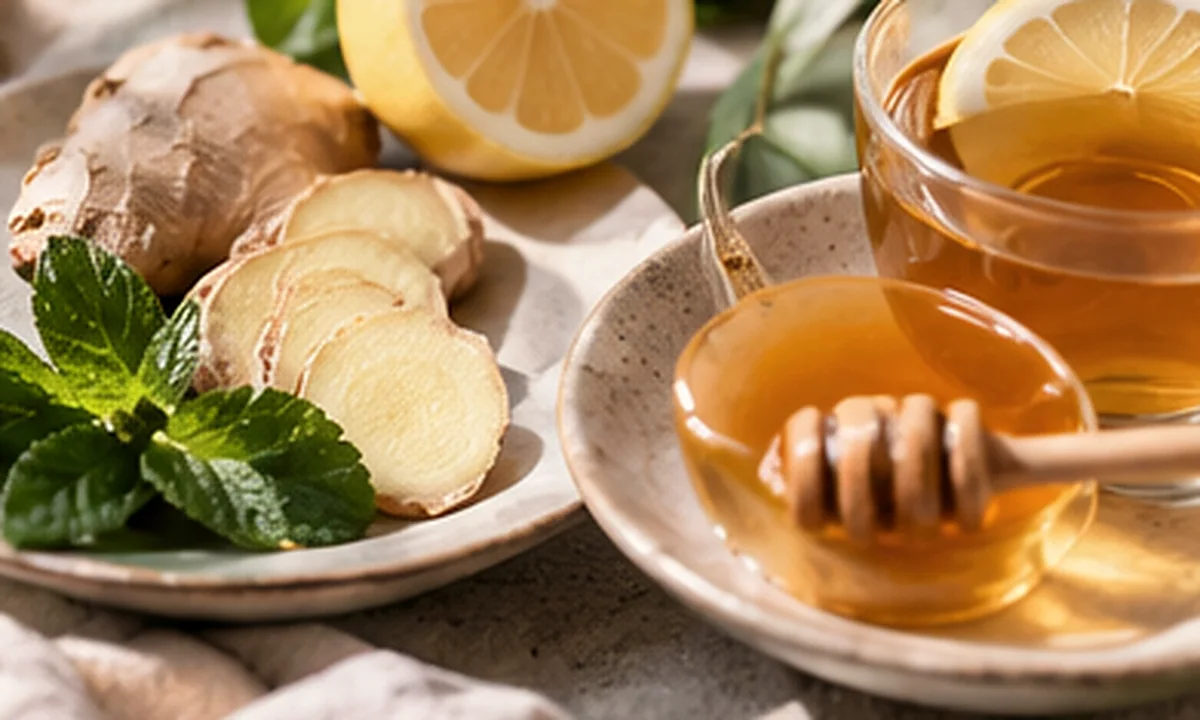
Peppermint, rooibos, citrus and gentle spice: flavor-first ideas for a warm evening drink, with sensible ingredient cautions.
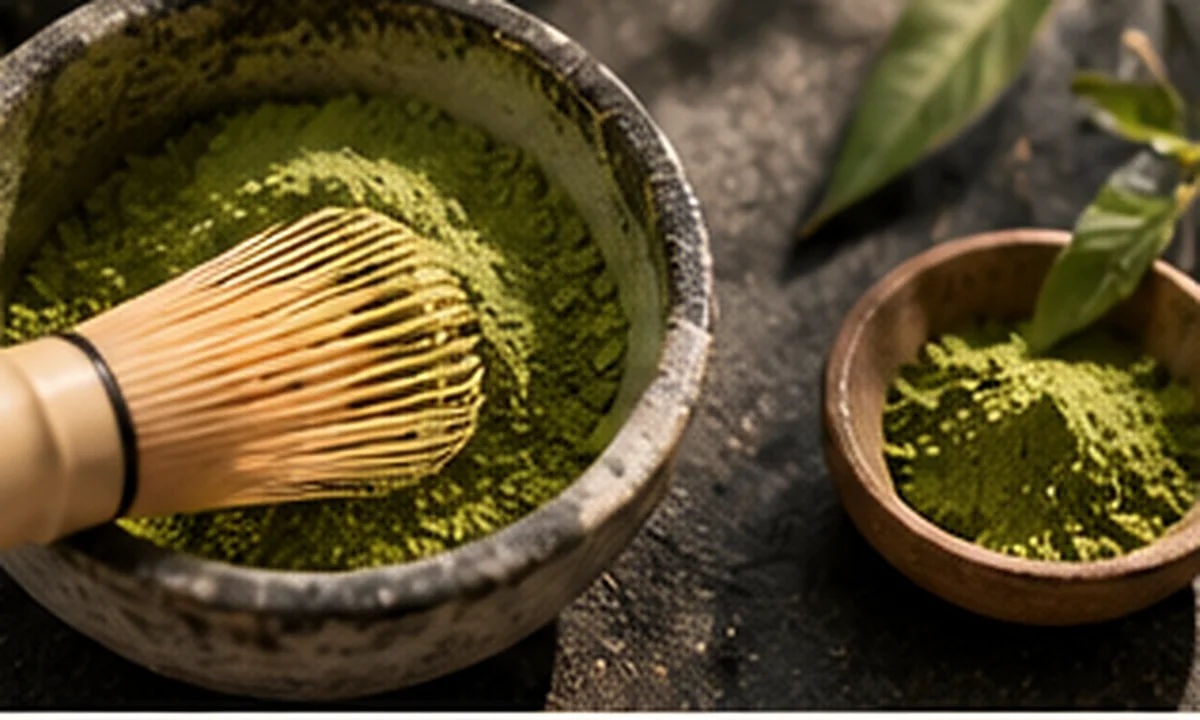
Matcha and brewed green tea both come from the tea plant, but preparation, texture and portions differ. Here is a simple comparison.
No matching stories yet. Try a shorter or different phrase.