Same family, different preparation
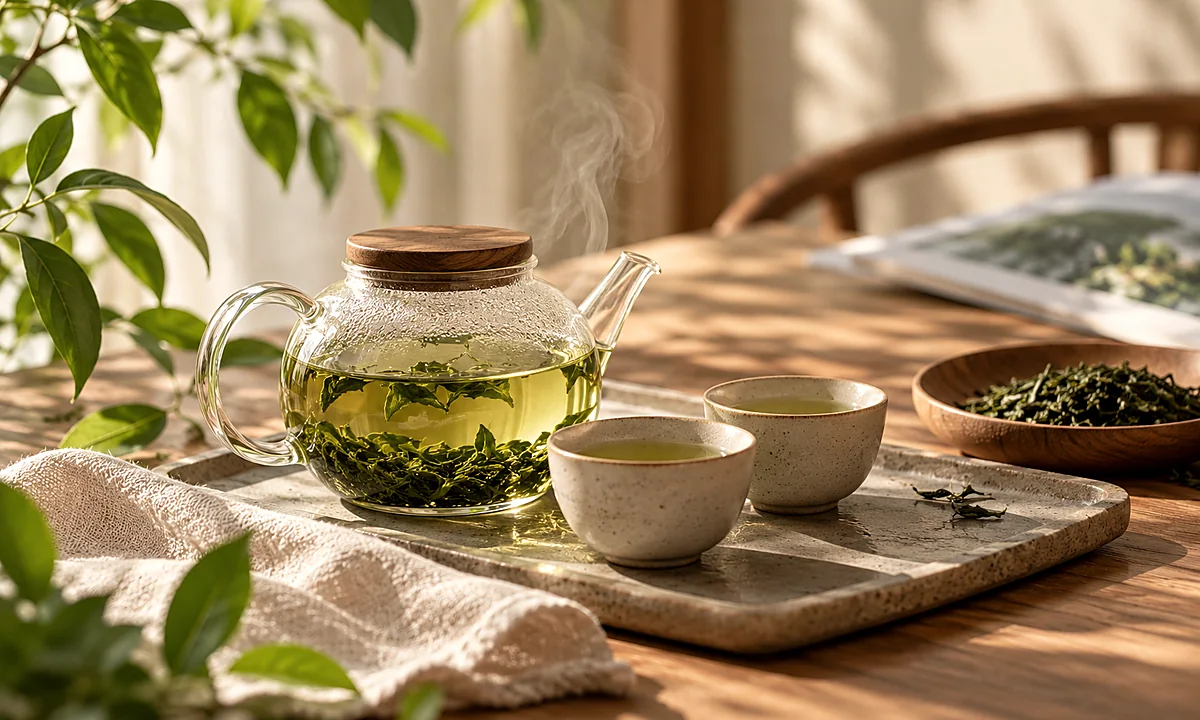
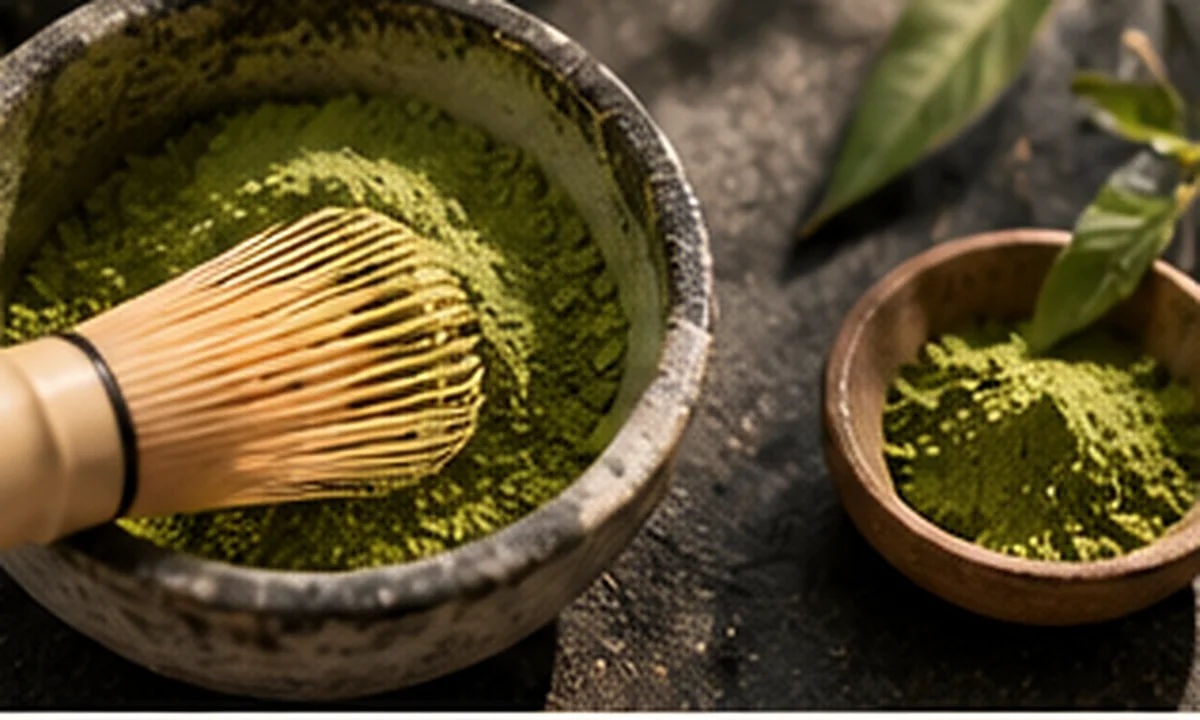
Matcha and ordinary brewed green tea come from the same tea plant, Camellia sinensis. What changes is how the leaves are cultivated, prepared and consumed. In a conventional cup of green tea, water extracts soluble compounds from leaves, and the leaves are removed. With matcha, finely milled tea leaf powder is whisked into the liquid, so you consume the suspended powder itself.
That distinction affects texture and flavor. Matcha can be thick, creamy or umami-forward, particularly when whisked carefully. Brewed green tea may taste clearer and lighter. Neither is a complete description of every product: agricultural and processing differences still matter.
Is matcha automatically stronger?
You may hear that matcha has “more of everything.” That is too broad. The quantity of powder, the tea itself and the size of the drink all matter. A café latte made with matcha, milk and syrup cannot be fairly compared with an eight-ounce unsweetened green tea without first defining what is in each serving.
Because matcha includes the powdered leaf, its caffeine and other compounds may be present in different amounts than in a steeped infusion. But there is no single universally accurate caffeine number for matcha drinks. Check the product details when available, and pay attention to how much powder is used.
What changes if milk or syrup is added?
Nothing about the tea plant requires added sugar. Yet a prepared matcha beverage may include sweetened powders, flavored syrups or a large serving of milk. That is not a problem if it is what you enjoy—it simply means that the nutrition facts of the finished drink reflect every ingredient, not only the tea.
A homemade version lets you decide. Start with a small amount of culinary matcha, whisk it with a little suitable water, and add more water or milk to taste. Follow the package preparation instructions for the product you have.
Should you pick it for health benefits?
Do not treat matcha as a shortcut around the uncertainty of nutrition research. NCCIH has reviewed studies on green tea, and strong conclusions for many disease-prevention claims remain unsupported. A pleasant beverage can have a place in your routine without being a therapy.
If you want the most useful comparison, think about flavor, price, ingredients, serving size and caffeine tolerance. Then choose the cup you prefer.
Our articles explain research for general readers. They do not diagnose, treat or replace guidance from a qualified healthcare professional.
Sources & further reading
Institutional guidance and original research used to prepare this explainer. Following these links helps you check the evidence for yourself.