What the word means
Polyphenols are a broad family of plant compounds. They occur in tea leaves, along with caffeine and many other components that contribute to taste, aroma and chemistry. When tea content refers to “antioxidants,” it often means polyphenols, but those two terms are not interchangeable with a demonstrated health benefit in a person.
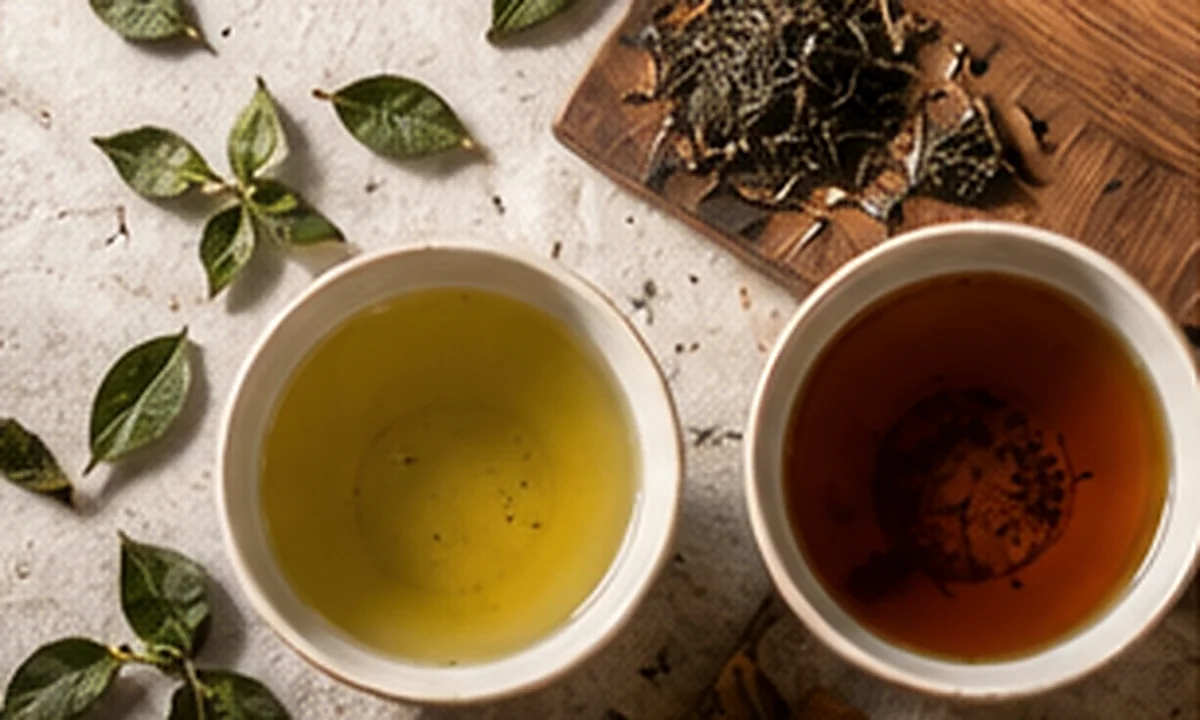
According to NCCIH, polyphenols have been investigated as possible contributors to tea’s health effects. Green tea is especially associated with catechins, a group of polyphenols. In black tea, extensive oxidation during processing produces different compounds, including theaflavins and thearubigins.
Why the chemistry changes
Leaves react to processing. A tea maker might quickly heat a batch after harvest to limit oxidation, or allow more oxidation before drying it. These choices alter color, aroma and the mixture of compounds extracted by brewing. That is why two teas from the same plant can look and taste so different.
However, chemical differences do not automatically establish that one tea will do more for your health. Human biology involves digestion, absorption and metabolism. A strong antioxidant result in a laboratory dish is not proof of a reduction in disease risk in daily life.
Three kinds of research you may encounter
An in-vitro experiment studies compounds in a controlled laboratory setup. An observational study tracks what people consume and what happens to them, but cannot fully isolate cause and effect. A randomized trial assigns participants to interventions and may provide stronger evidence for specific outcomes, although tea trials are often short or use concentrated extracts rather than ordinary cups.
A good science story tells you which kind of evidence supports its claim. If an article says tea “fights disease,” ask whether the finding came from cells, an animal study, a questionnaire or a trial in humans—and whether the size of the effect matters in practice.
Where this leaves your tea choice
There is no need to chase a polyphenol score. If you enjoy unsweetened tea, it is reasonable to choose the flavor and caffeine level that fit your routine. When a supplement claims to deliver concentrated plant compounds, treat it as a distinct product, not simply a stronger mug of tea: the safety profile may differ.
Our green-versus-black comparison explains the processing differences, while our extract guide covers an important safety distinction.
Our articles explain research for general readers. They do not diagnose, treat or replace guidance from a qualified healthcare professional.
Sources & further reading
Institutional guidance and original research used to prepare this explainer. Following these links helps you check the evidence for yourself.