A familiar name can hide two different products
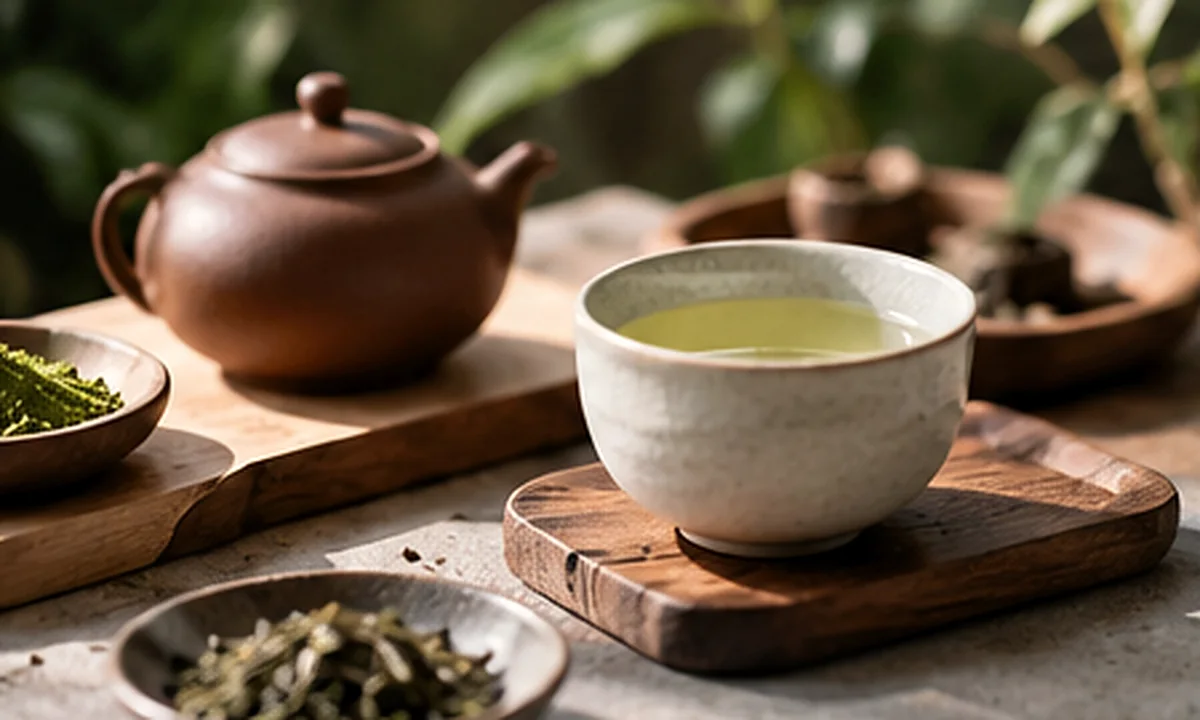
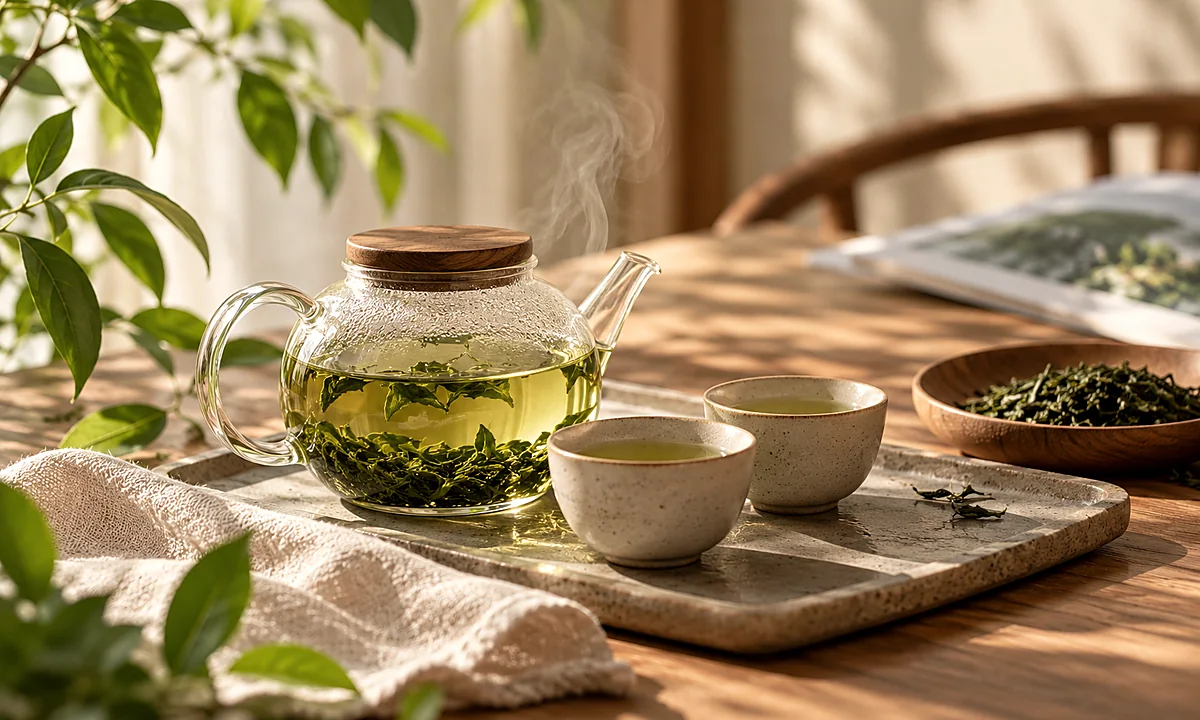
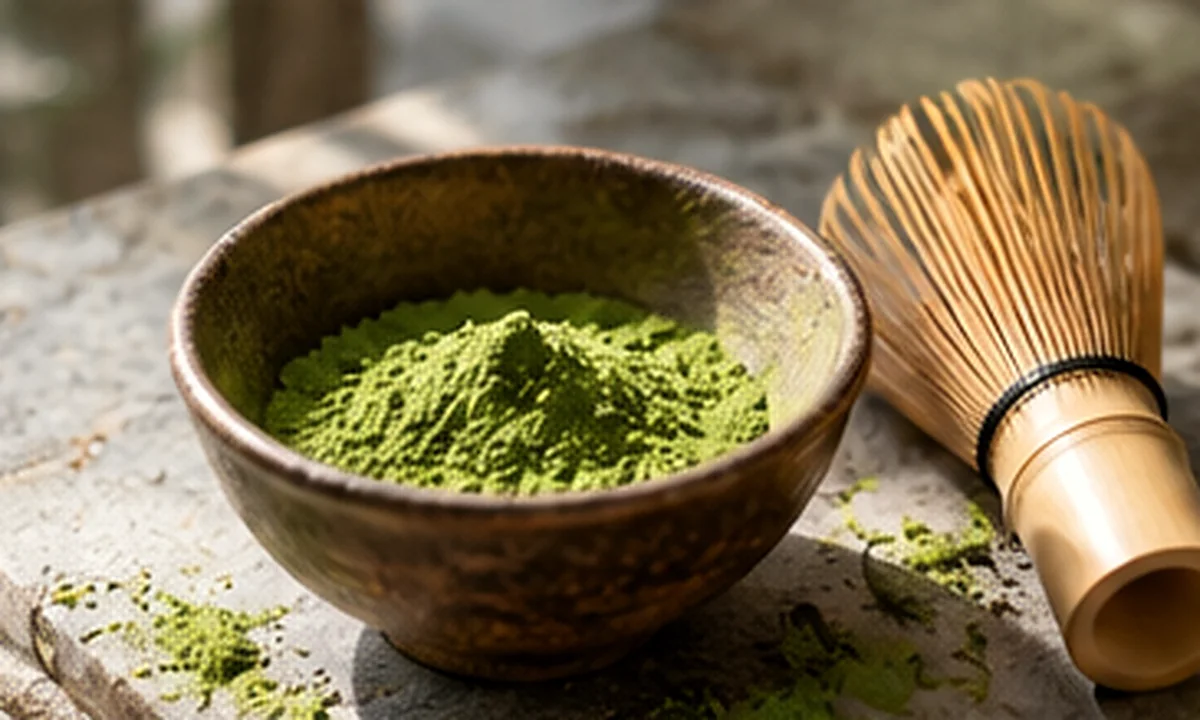
Green tea is commonly prepared by steeping leaves in water. Green tea extract is made to concentrate selected compounds from the plant, and it may be sold in capsules or other supplement forms. Both may be labeled “green tea,” but they should not be treated as interchangeable.
The National Center for Complementary and Integrative Health notes that brewed green tea has not raised safety concerns for most adults when consumed as a beverage, aside from considerations such as caffeine sensitivity. By contrast, concentrated extract products have been associated with adverse effects, including rare reports of liver injury.
Why concentration matters
Think of a cup of tea as a mixture affected by leaf size, water, time and quantity. A supplement label may instead report a standardized or concentrated ingredient. The resulting exposure can differ substantially from what someone would get from an ordinary mug. You cannot assume that taking an extract is the same as drinking an extra cup.
A common marketing mistake is to leap from promising laboratory findings to strong claims about weight loss, cholesterol or protection against diseases. NCCIH says the evidence is not sufficient for many promoted uses, and some findings are based on supplement trials rather than beverage consumption.
Questions to ask before taking an extract
What exact ingredient and dose does the label specify? Is there a declared caffeine amount? What evidence supports the particular claim for this particular product? Are you taking medicines that might interact with herbal preparations? If you take prescription drugs, are pregnant or have a medical condition, a healthcare professional can help evaluate the product in the context of your history.
NCCIH documents potential interactions involving certain medications, and it describes cases of liver injury associated primarily with green tea extracts. An “all-natural” label does not remove these concerns.
A simpler everyday option
If your goal is to enjoy tea, a brewed cup is often the simpler product to understand: you can choose its flavor, ingredients, serving size and whether to add sugar. That does not make tea a treatment, and it does not imply that everyone should drink it. It simply avoids confusing a food-like beverage with a concentrated supplement.
For broader perspective on the science behind tea compounds, see our polyphenols explainer.
Our articles explain research for general readers. They do not diagnose, treat or replace guidance from a qualified healthcare professional.
Sources & further reading
Institutional guidance and original research used to prepare this explainer. Following these links helps you check the evidence for yourself.